
Foreigners can often arrange a colonoscopy or gastroscopy in China, but the process usually requires appointment coordination, medical history review, preparation instructions, registration, payment, examination, and report collection. A medical concierge or translator can help international patients understand hospital steps, preparation requirements, and Chinese medical reports.
If you are considering a colonoscopy in China as a foreigner, the first question is usually simple: can international patients arrange this kind of test in China?
In many cases, yes. Foreign patients may be able to book a colonoscopy, gastroscopy, or digestive endoscopy consultation in China, depending on hospital availability, doctor assessment, preparation requirements, and whether the patient is medically fit for the procedure.
The harder part is not only getting an appointment. It is understanding the preparation, knowing which department to visit, communicating symptoms in Chinese, following hospital instructions, collecting reports, and arranging follow-up if something needs further review.
Emma Medical Concierge helps international patients in Chengdu coordinate gastrointestinal appointments, translation, hospital registration, examination-day support, report organization, and follow-up planning.
Can Foreigners Get a Colonoscopy in China?
Foreigners can generally access gastroenterology services in China, including consultations for colonoscopy and gastroscopy. However, the exact process depends on the hospital, department, doctor schedule, and clinical suitability.
A colonoscopy is not something patients should treat like a walk-in tourist service. It may require a doctor consultation first, bowel preparation, fasting instructions, medication review, and sometimes anesthesia or sedation assessment. The hospital may also need to understand your symptoms, medical history, and previous test results before confirming the appointment.
For this reason, planning ahead is important. A medical concierge can help check whether your timeline is realistic before you travel or before you commit to a specific hospital day.
Colonoscopy, Gastroscopy, and Digestive Endoscopy: What’s the Difference?
A colonoscopy examines the colon and rectum. It is commonly used for colorectal cancer screening, colon polyp detection, bleeding investigation, bowel habit changes, anemia evaluation, and other digestive concerns when recommended by a doctor.
A gastroscopy, also called upper endoscopy, examines the esophagus, stomach, and upper part of the small intestine. It may be used for symptoms such as persistent upper abdominal discomfort, reflux, swallowing problems, nausea, or suspected stomach-related conditions.
Digestive endoscopy is a broader term that can include colonoscopy, gastroscopy, and other endoscopic procedures. Which test is appropriate should be decided by a qualified doctor based on symptoms, age, risk factors, and previous medical history.
Who May Consider Gastrointestinal Screening in China?
International patients may consider colonoscopy or gastroscopy in China if they are already traveling to China, staying in Chengdu, or planning a medical visit that includes health screening.If you are planning broader preventive screening, you may also find our guide to full body checkup in China helpful.
Common situations include:
- Long waiting times for endoscopy appointments at home
- A desire to combine a full body checkup with digestive screening
- Previous symptoms that need specialist review
- A need for report translation and follow-up explanation
- A preference for coordinated hospital support in a Mandarin-speaking environment
However, this does not mean China is suitable for every patient. If you have severe symptoms, unstable health, active bleeding, severe abdominal pain, or a condition that may require emergency care, you should seek urgent medical attention rather than plan international travel for screening.
What to Prepare Before Booking
Before arranging a colonoscopy or gastroscopy in China, prepare a clear medical summary. This helps the hospital and concierge team understand what you need and whether the request is realistic.
Useful materials include:
- Passport information and travel dates
- Main symptoms and how long they have been present
- Previous colonoscopy or gastroscopy reports
- Pathology reports, if biopsies were taken before
- Imaging reports, such as CT, ultrasound, or MRI if relevant
- Blood test results, if available
- Medication list
- Allergy history
- Major diagnoses or surgeries
- Family history of colorectal cancer or digestive disease, if relevant
If you take blood thinners, diabetes medication, heart medication, or other regular prescriptions, do not stop or adjust anything by yourself. Ask the hospital or your doctor what to do before the procedure.
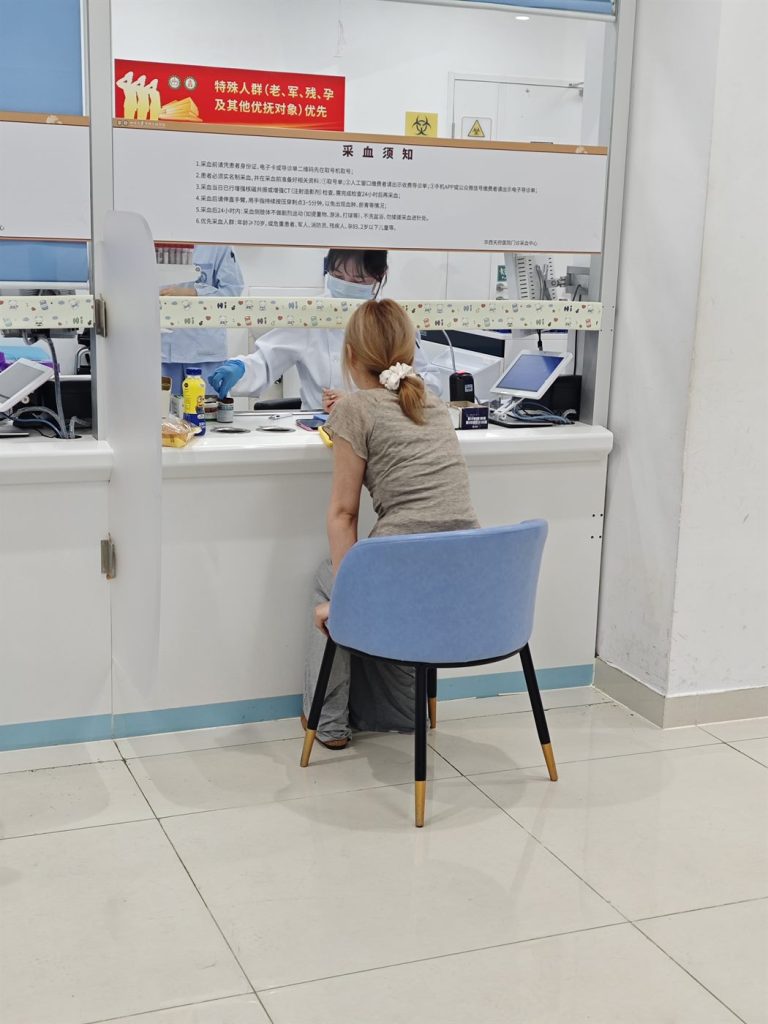
Colonoscopy Preparation: What Foreign Patients Should Know
Colonoscopy preparation is one of the most important parts of the process. The colon usually needs to be cleaned so the doctor can see clearly during the examination. According to patient information from NIDDK and ASGE, bowel preparation is a standard part of colonoscopy planning.
In practice, preparation may involve diet changes, fasting, bowel preparation medicine, drinking clear fluids, or timing instructions before the procedure. The exact instructions vary by hospital, patient condition, appointment time, and the preparation product used.
Foreign patients should not rely on generic internet instructions. Follow the written instructions from the hospital or doctor arranging the procedure.
Sedation, Anesthesia, and Safety Questions
Some patients may have colonoscopy or gastroscopy with sedation or anesthesia, while others may not. This depends on the hospital, procedure type, patient health, and doctor assessment.
If sedation or anesthesia is used, you may need extra time for recovery and should not plan a busy travel schedule immediately afterward. NIDDK notes that patients may need someone to take them home after sedation or anesthesia because these medicines take time to wear off.
For international patients, this is where local support can matter. A concierge can help coordinate hospital timing, transportation, interpretation, and post-procedure instructions.
What the Hospital Process Usually Looks Like
The exact process differs by hospital, but a foreign patient’s endoscopy journey in China often follows this general flow.
1. Initial Inquiry
You send your medical goal, symptoms, travel dates, and previous reports. Emma Medical Concierge reviews whether Chengdu may be a practical option and what type of appointment may be needed.
2. Gastroenterology Consultation or Pre-Assessment
The hospital may require a doctor consultation before confirming colonoscopy or gastroscopy. The doctor may ask about symptoms, medication, allergies, previous procedures, and whether you are suitable for the test.
3. Appointment Coordination
If the case is appropriate, the concierge helps coordinate the appointment schedule, preparation requirements, hospital location, estimated timing, and what documents to bring.
4. Registration and Payment
Chinese hospitals often require registration, patient profile creation, department check-in, and payment before services. This can be confusing for foreigners because many systems are Mandarin-first.
5. Preparation and Examination Day
For colonoscopy, preparation may begin before the hospital day. On the day of the procedure, patients may need to follow fasting rules, complete check-in, confirm consent forms, and follow nurse or doctor instructions.
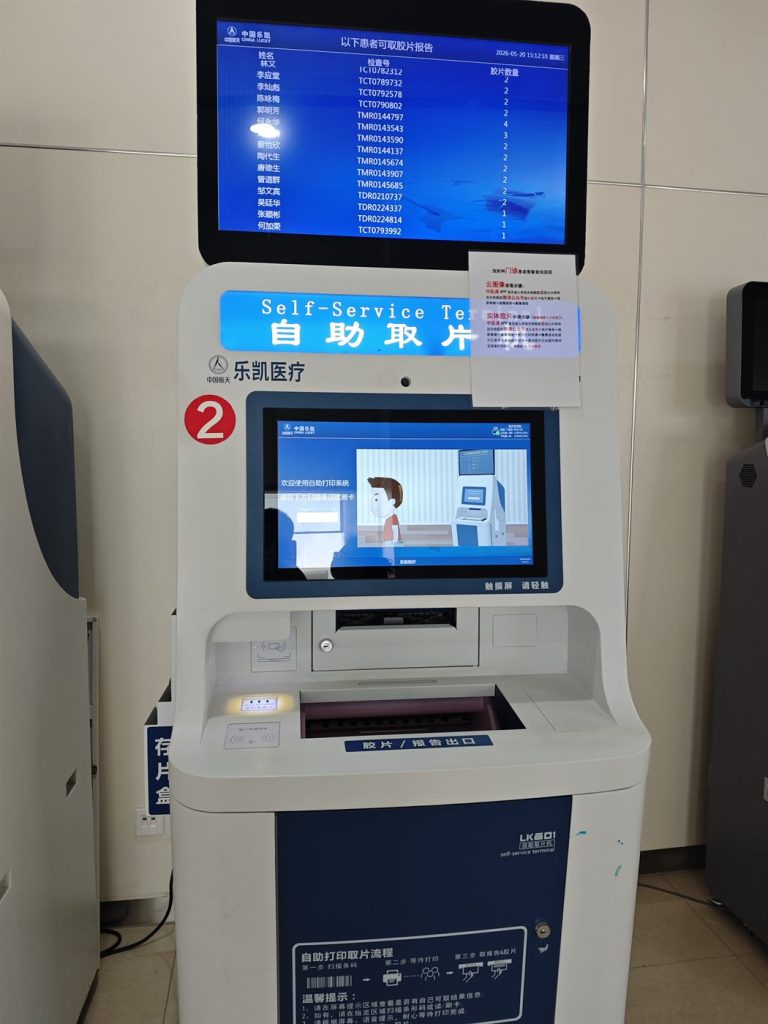
6. Report Collection
After the examination, reports may be issued in Chinese. If biopsies are taken, pathology results may take longer and may require a separate follow-up.
7. Follow-Up Planning
The doctor may recommend observation, medication, additional testing, pathology review, repeat examination, or follow-up care in your home country. A medical concierge can help organize these next steps, but clinical decisions must come from licensed doctors.
Why Translation Support Matters
A colonoscopy or gastroscopy is not just a simple appointment. Patients need to understand preparation rules, timing, consent forms, possible findings, post-procedure instructions, and follow-up recommendations.
In a Chinese hospital environment, language gaps can create real stress. A medical translator or hospital escort can help you explain symptoms clearly, confirm the doctor’s questions, understand preparation instructions, move between registration and examination areas, and collect the correct reports.
Translation support is especially useful if you need to discuss previous reports, medication, allergies, sedation, biopsy results, or next-step recommendations.
For a broader overview of appointment coordination and hospital escort support, read our guide to medical concierge in China.
How Emma Medical Concierge Supports International Patients in Chengdu
Emma Medical Concierge helps international patients arrange practical medical support in Chengdu. For colonoscopy, gastroscopy, and digestive health screening, support may include:
- Initial case review
- Gastroenterology appointment coordination
- Colonoscopy or gastroscopy scheduling assistance
- Hospital registration support
- Chinese-English interpretation
- Preparation instruction explanation
- Examination-day accompaniment
- Report collection and organization
- Doctor communication support
- Follow-up or further testing coordination
Emma does not diagnose, prescribe, or replace the doctor. The role is to make the process clearer, reduce communication barriers, and help patients move through the hospital system with more confidence.
When China May Not Be the Right Option
China may not be suitable if you are experiencing an emergency or medically unstable condition. Do not travel internationally for colonoscopy if you have severe symptoms that need urgent local care.The CDC medical tourism guidance advises patients to consider communication barriers, infection risks, and follow-up care when planning medical care abroad.
China may also not be the best option if:
- You cannot safely travel
- You need continuous treatment but have no follow-up plan
- You require urgent surgery or emergency evaluation
- You have complex medical conditions that need specialist clearance before travel
- You are unable to complete bowel preparation safely
- You expect guaranteed same-day testing, guaranteed savings, or guaranteed results
Medical travel should be planned carefully. The CDC advises people considering medical care abroad to understand potential risks, including communication barriers, infection risks, and continuity of care after returning home.
How to Start an Inquiry
To ask about colonoscopy or gastroscopy support in Chengdu, contact Emma Medical Concierge with a short summary of your situation.
Include:
- Your age and nationality
- Current location and planned China travel dates
- Symptoms or screening goal
- Whether you need colonoscopy, gastroscopy, or both
- Previous medical reports
- Current medications and allergies
- Any previous digestive procedures
- Whether you need translation and hospital escort support
The first step is a feasibility review. Emma Medical Concierge can help you understand whether an appointment may be realistic, what preparation may be needed, and how the hospital process may work.
Emma Medical Concierge also supports other non-emergency care pathways, including dental treatment in China for international patients.
FAQ
1. Can foreigners get a colonoscopy in China?
Yes, foreigners may be able to arrange a colonoscopy in China, depending on hospital availability, doctor assessment, preparation requirements, and clinical suitability.
2. Can I also get a gastroscopy in China?
Yes. Gastroscopy appointments may also be available for international patients, but the hospital may require a consultation and preparation instructions first.
3. Do I need bowel preparation before a colonoscopy in China?
Usually yes, but the exact preparation should come from the hospital or doctor. Do not rely on generic instructions online.
4. Do I need a translator for colonoscopy in China?
If you do not speak Mandarin, translation support is strongly recommended for registration, consent, preparation instructions, doctor communication, and report review.
5. Can Emma Medical Concierge guarantee a same-day colonoscopy?
No. Appointment timing depends on hospital availability, doctor assessment, preparation needs, and patient suitability.