
For international patients, arranging an MRI can sometimes take weeks or months at home. If you are already in China, or planning to travel to Chengdu for medical care, you may wonder whether a same-day MRI in China is possible.
In some cases, MRI appointments in China can be arranged within the same day or within a short time after a doctor consultation.If you are new to the hospital process in China, you may also want to read our guide to medical concierge in China before planning your appointment. However, timing depends on hospital availability, the body part being scanned, whether contrast is needed, MRI safety screening, and the doctor’s assessment.
Emma Medical Concierge helps international patients in Chengdu coordinate MRI appointments, hospital registration, Chinese-English translation, report collection, and follow-up communication.
Can International Patients Get an MRI in China?
Yes, international patients can usually access MRI services in China if the scan is medically appropriate and the hospital has available scheduling.
In many Chinese hospitals, MRI is arranged after a doctor consultation. The doctor reviews your symptoms, medical history, previous reports, and the reason for imaging before deciding which scan is suitable.
A same-day MRI may be possible in some cases, but it should not be treated as guaranteed. Some scans require extra preparation, safety checks, contrast review, or specialist approval.
When a Faster MRI Appointment May Be Useful
International patients often ask about MRI in China when they are dealing with delayed appointments overseas or need clearer next steps during a stay in China.
Common situations include:
- Back, neck, knee, shoulder, or joint pain
- Suspected spine, orthopedic, or sports injuries
- Follow-up imaging after a previous diagnosis
- MRI as part of a broader health checkup
- A need for a second medical opinion
- Delayed imaging access in the patient’s home country
For many patients, the goal is not simply speed. The real goal is to move from uncertainty to a clearer plan.
What to Prepare Before Requesting an MRI
Before requesting an MRI appointment in China, prepare your medical information as clearly as possible.
Helpful materials include:
- Passport information
- Current symptoms and when they started
- The body part that needs imaging
- Previous MRI, CT, X-ray, or ultrasound reports
- Prior diagnosis or doctor referral, if available
- Current medications and allergy history
- Surgery history
- Implant or device information
- Whether you may need MRI with contrast
Some patients also combine imaging with a broader full body checkup in China when they want a more complete health review during one trip.
If you have a pacemaker, metal implant, aneurysm clip, cochlear implant, infusion pump, artificial joint, surgical hardware, or possible metal fragments in the body, tell the hospital before the scan. MRI safety screening is important and must be handled by the hospital team.
MRI Safety Screening Matters
MRI uses a strong magnetic field. This means safety screening is not a formality.
According to the FDA, patients should answer MRI screening questions accurately and bring implant cards if they have implanted medical devices. RadiologyInfo also notes that MRI staff need to know about implants or metal objects before the examination.
International patients should not assume that a previous MRI means every future MRI is automatically safe. The hospital may need to confirm device type, implant material, scan area, and whether special precautions are required.
If contrast is being considered, the doctor may also ask about kidney function, allergies, previous contrast reactions, and other medical conditions.
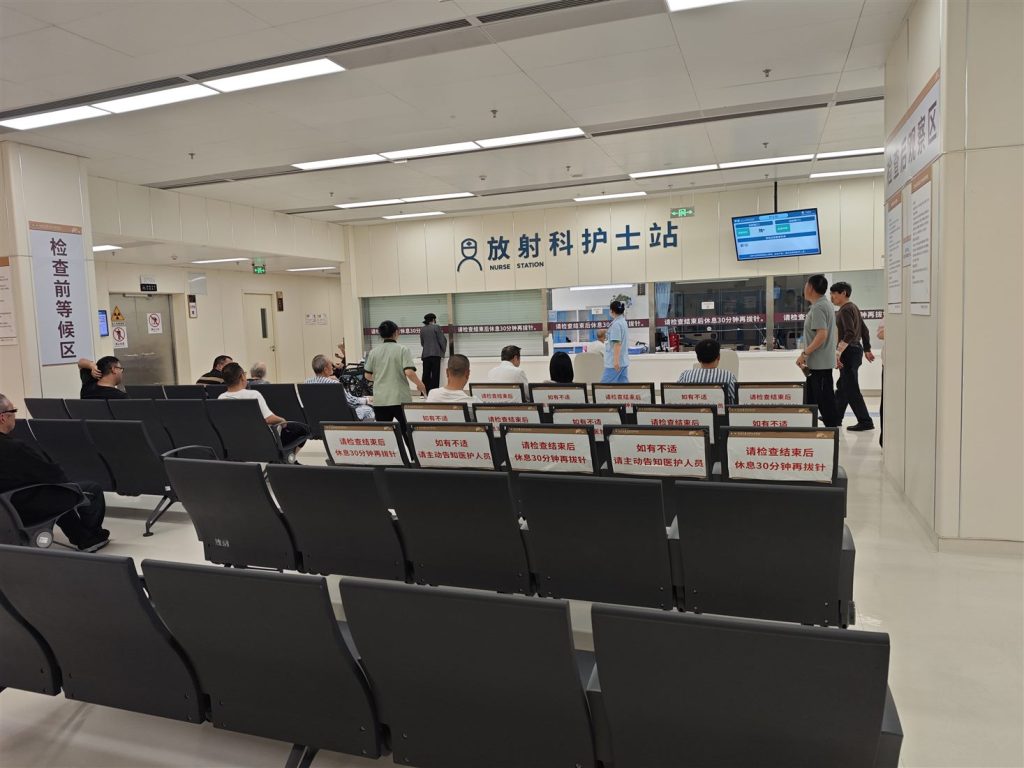
What the MRI Process Usually Looks Like in Chengdu
The exact process varies by hospital, but international patients often follow a flow like this.
1. Initial Case Review
You share your symptoms, previous reports, preferred timeline, and travel schedule. Emma Medical Concierge helps assess whether MRI coordination in Chengdu may be realistic.
2. Doctor Consultation
A specialist may review your condition and decide whether MRI is appropriate. The doctor may also decide which body part, sequence, or additional imaging is needed.
3. Appointment Coordination
If MRI is suitable, the concierge helps coordinate scheduling, hospital registration, payment steps, and instructions before the scan.
4. MRI Safety Screening
Before entering the MRI area, patients usually complete safety screening. This may include questions about metal implants, devices, surgery history, pregnancy, contrast use, and other risks.
5. MRI Scan
The scan itself may take different amounts of time depending on the body part and whether contrast is used. Patients may need to remain still during the scan.
6. Report Collection
MRI reports are usually issued in Chinese. Image files may be available digitally or on film depending on the hospital process.
7. Follow-Up Explanation
A doctor may explain the findings and recommend next steps. Emma Medical Concierge can help translate the discussion and organize reports, while clinical interpretation remains with licensed doctors.
Why Translation Support Is Important
MRI appointments involve more than showing up for a scan. Patients may need to explain symptoms, confirm the correct body part, complete safety forms, understand payment steps, follow radiology instructions, and discuss reports with a doctor.
In a Mandarin-speaking hospital environment, a medical translator can reduce confusion. This is especially important when discussing implants, prior surgery, contrast use, allergies, report findings, or follow-up care.
How Emma Medical Concierge Supports MRI Patients
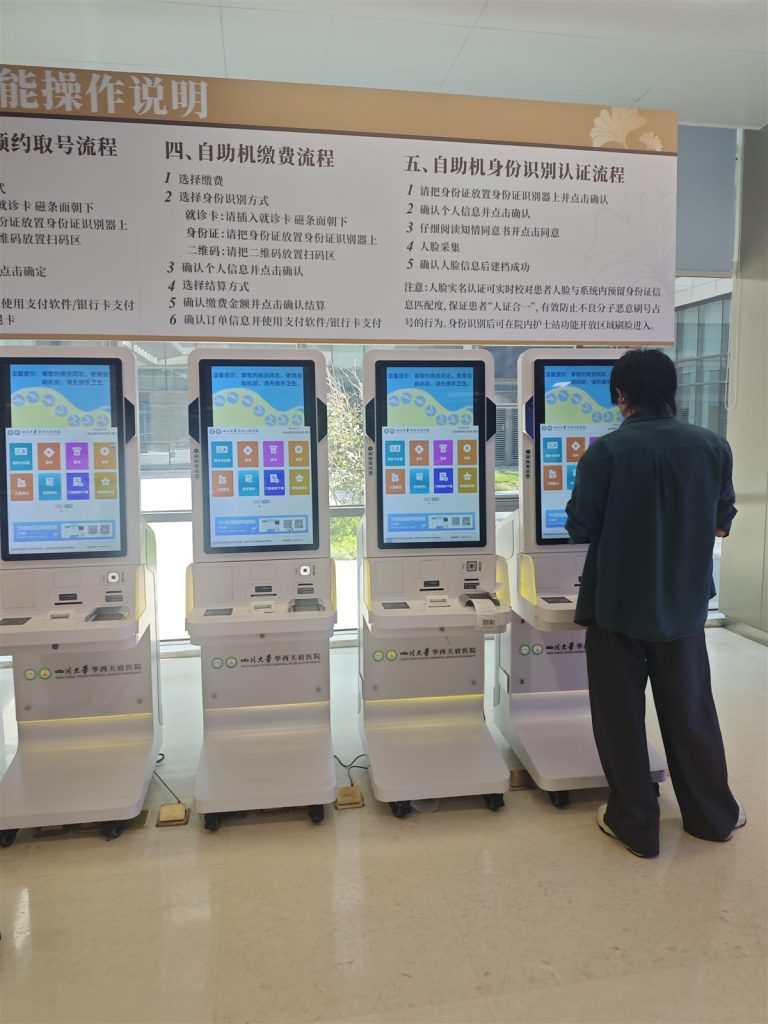
Emma Medical Concierge supports international patients in Chengdu with:
- Initial medical coordination
- MRI appointment feasibility review
- Specialist consultation scheduling
- Hospital registration support
- Chinese-English interpretation
- MRI safety form communication
- Examination-day accompaniment
- Report collection assistance
- Doctor communication translation
- Follow-up or second-opinion coordination
Emma does not diagnose, prescribe, or guarantee scan results. The role is to help international patients move through the hospital process more clearly and with less language stress.For a broader overview of appointment coordination, hospital escort, translation, and travel support, see our full guide to medical concierge services in China.
When Same-Day MRI May Not Be Suitable
Same-day MRI in China may not be suitable if:
- You have emergency symptoms that need urgent care
- You cannot safely travel
- You have an implant or device that requires extra safety verification
- You need contrast but have unresolved kidney or allergy concerns
- You expect a guaranteed same-day appointment
- You need complex ongoing treatment without a follow-up plan
- Your condition requires emergency imaging rather than planned outpatient coordination
If you have severe pain, sudden weakness, stroke-like symptoms, serious injury, chest pain, or other urgent symptoms, seek emergency care immediately.
How to Start an MRI Inquiry
To ask about MRI support in Chengdu, send Emma Medical Concierge:
- Your age and nationality
- Current location and travel dates
- Symptoms and affected body part
- Previous reports or images
- Current medications and allergies
- Implant or surgery history
- Whether you need translation or hospital escort support
The first step is a feasibility review. Emma Medical Concierge can help you understand whether an MRI appointment may be realistic, what preparation is needed, and how the hospital process may work.
FAQ
Can foreigners get an MRI in China?
Yes. Foreigners can usually access MRI services in China when the scan is medically appropriate and the hospital has appointment availability.
Is same-day MRI in China guaranteed?
No. Same-day MRI may be possible in some cases, but timing depends on hospital schedule, doctor assessment, scan type, safety screening, and preparation requirements.
Do I need a doctor consultation before MRI in China?
Often yes. Many hospitals require a doctor consultation before arranging MRI, especially if the scan needs specialist review or contrast.
Do I need a translator for MRI in China?
If you do not speak Mandarin, translation support is strongly recommended for registration, safety screening, scan instructions, doctor communication, and report review.
Can MRI reports be translated into English?
A medical concierge or translator can help explain and organize Chinese reports, but clinical interpretation should come from the treating doctor or qualified specialist.