
For foreign patients, seeing a doctor in China can be very different from visiting a hospital at home. Even when the medical care is available and the appointment is possible, the process may involve Chinese registration systems, hospital counters, payment windows, department transfers, test instructions, and medical reports written in Chinese.
A medical translator in China helps foreign patients communicate more clearly with hospitals, doctors, nurses, and administrative staff. In practice, the service is often more than simple language translation. Many patients also need appointment coordination, hospital navigation, registration support, examination escort, and help understanding what to do after receiving their results.If you are still comparing different types of hospital support, our guide to medical concierge in China explains how appointment coordination, translation, and hospital escort services work together.
Emma Medical Concierge provides medical translation and hospital escort support in Chengdu for international patients who need help arranging checkups, MRI scans, colonoscopy or gastroscopy, dental visits, Traditional Chinese Medicine therapy, rehabilitation, and follow-up consultations.
Why Foreign Patients May Need a Medical Translator in China
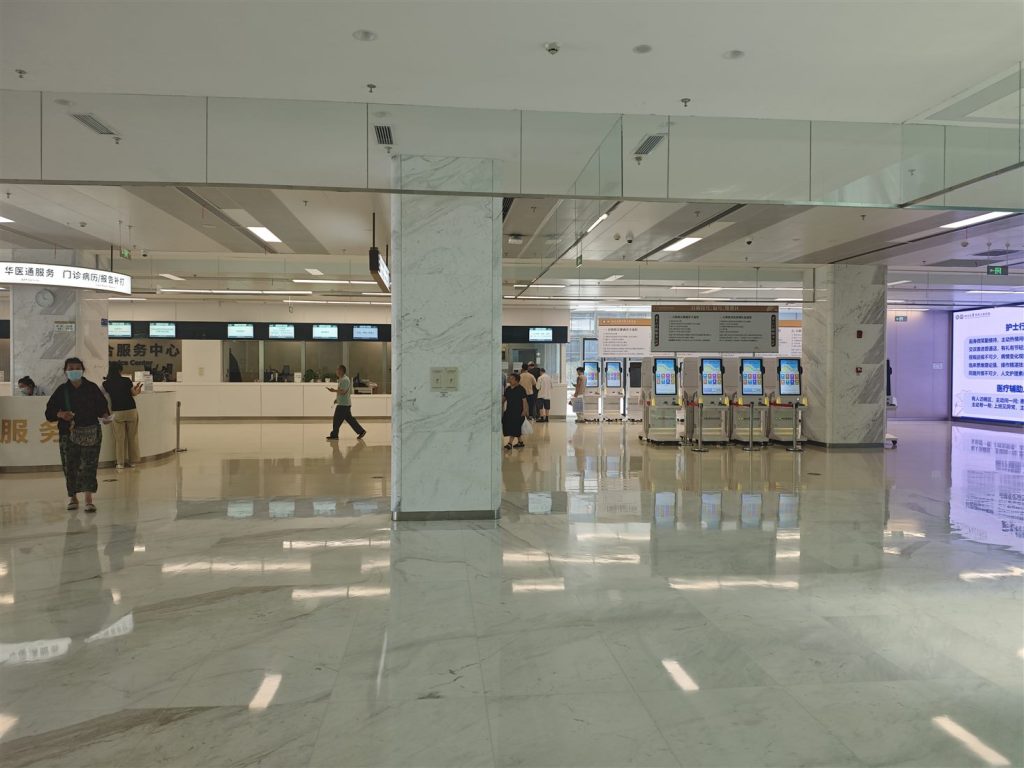
Chinese hospitals can be busy, fast-moving, and process-driven. A patient may need to move between several counters or departments before seeing a doctor or completing a test.
For many international patients, the difficult part is not only speaking Chinese. It is knowing what each step means.
A medical translator can help with:
- Explaining symptoms and medical history to hospital staff
- Understanding registration and appointment instructions
- Communicating with doctors during consultations
- Asking practical questions about tests or next steps
- Translating preparation instructions for scans or procedures
- Helping collect and organize Chinese medical reports
- Supporting follow-up communication after the appointment
This kind of support is especially useful when the patient is tired, anxious, in pain, or unfamiliar with the hospital environment.
Medical Translator vs General Translator: What Is the Difference?
A general translator may speak English and Chinese well, but hospital translation requires more practical experience with medical settings.
A medical translator should understand how to handle sensitive health information, how to communicate symptoms clearly, and how to avoid adding their own medical opinion. The translator’s role is to help communication, not to diagnose, choose treatment, or replace a licensed doctor.
A hospital escort or medical concierge may also help with the non-medical parts of the visit, such as finding the right department, checking appointment details, confirming payment steps, and guiding the patient through the hospital.
For this reason, many foreign patients need both language support and hospital process support.
When Medical Translation Is Most Useful
Doctor Consultations
During a consultation, patients may need to explain symptoms, previous diagnoses, medication use, allergies, travel plans, and concerns. A translator helps both sides communicate more accurately.
The doctor may ask detailed questions, review previous reports, or recommend further tests. If the patient does not fully understand the discussion, they may leave without knowing what to do next.
MRI, CT, and Imaging Appointments
Imaging appointments often require safety screening, department registration, waiting instructions, and report collection. For MRI, patients may need to answer questions about implants, metal fragments, medical devices, pregnancy status, allergies, or contrast use.
The hospital and doctor decide whether imaging is suitable and whether contrast is needed. A translator helps the patient understand the instructions without making medical decisions for them.For imaging-specific details, read our guide to same-day MRI in China for international patients.
Related guide: <a href=”https://emmamedicalconcierge.com/blog/same-day-mri-in-china-for-international-patients/”>same-day MRI in China for international patients</a>.
Colonoscopy and Gastroscopy
Digestive endoscopy can involve preparation instructions, fasting, bowel preparation, anesthesia discussion, consent forms, and post-procedure guidance. These details should always follow hospital and doctor instructions.
A medical translator can help the patient understand what the hospital is asking them to do before and after the appointment.For digestive endoscopy planning, see our guide to colonoscopy in China as a foreigner.
Related guide: <a href=”https://emmamedicalconcierge.com/colonoscopy-china-foreigner/”>colonoscopy in China as a foreigner</a>.
Full Body Checkups
A full body checkup may involve several departments in one day, including blood tests, imaging, ultrasound, ECG, physical examination, and specialist review. Foreign patients may need help following the schedule and understanding which test comes next.
Related guide: <a href=”https://emmamedicalconcierge.com/full-body-checkup-in-china/”>full body checkup in China</a>.
Dental Treatment
Dental appointments may involve treatment plans, X-rays, pricing discussions, implant options, follow-up visits, and aftercare instructions. Translation is important because patients need to understand the treatment sequence before making decisions.
Related guide: <a href=”https://emmamedicalconcierge.com/international-patients-dental-treatment-china/”>dental treatment in China for international patients</a>.
Traditional Chinese Medicine Therapy
Traditional Chinese Medicine may include consultation, acupuncture, massage, cupping, herbal discussions, or rehabilitation-style therapy. A translator can help explain symptoms, treatment preferences, and safety concerns.
Related guide: <a href=”https://emmamedicalconcierge.com/traditional-chinese-medicine-therapy-in-china/”>Traditional Chinese Medicine therapy in China</a>.
What a Medical Translator Can Help With Before the Appointment
Before visiting a hospital in China, it helps to prepare your information clearly. This allows the concierge or translator to understand what kind of appointment may be suitable.
Useful materials may include:
- Main symptoms or reason for the visit
- Previous diagnosis, if any
- Previous medical reports or imaging results
- Current medication list
- Allergy history
- Surgery or implant history
- Passport information for registration
- Preferred appointment dates
- Travel dates in China
- Any special needs, such as mobility support
Before traveling for medical care, patients should also check current health and travel guidance from official sources such as the CDC, UK FCDO, or Australia’s Smartraveller, depending on their home country.
What Happens During a Hospital Visit in China
The exact process depends on the hospital and department, but many visits follow a similar structure.
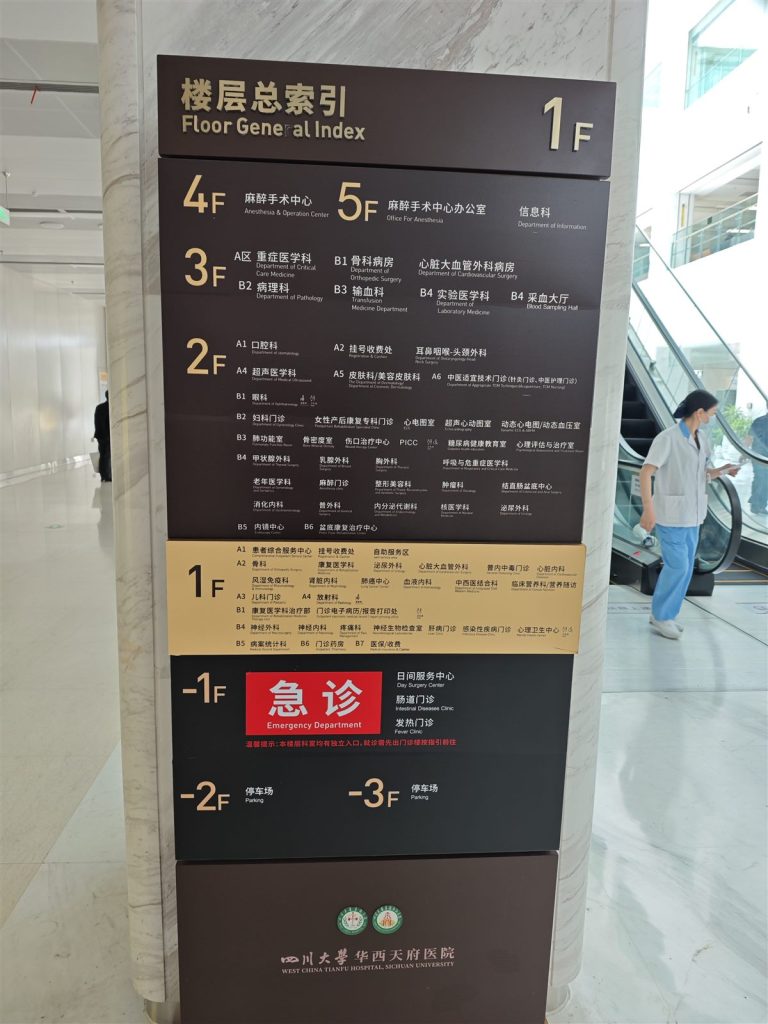
1. Appointment Confirmation
The concierge or translator confirms the appointment time, department, doctor availability, and any documents needed for registration.
2. Hospital Registration
Foreign patients may need to register with passport information. Some hospitals use self-service machines, while others require counter registration.
3. Payment and Queue Number
Many hospital steps require payment before the patient can move forward. This may include consultation fees, examination fees, lab tests, imaging, or procedures.
4. Doctor Consultation
The translator helps explain the patient’s symptoms and questions. The doctor may review previous reports, perform an assessment, and recommend tests or treatment options.
5. Examination or Testing
If tests are arranged, the patient may need to go to another floor or department. The translator can help check the location, timing, and preparation requirements.
6. Report Collection
Some reports may be available the same day, while others may take longer. Timing depends on the hospital, test type, and department workflow.
7. Follow-Up Communication
After the report is ready, the patient may need a doctor review or follow-up consultation. A translator can help explain the report language and clarify the doctor’s next-step recommendations.
What a Medical Translator Should Not Do
A medical translator should not replace a doctor.
They should not:
- Diagnose your condition
- Choose treatment for you
- Tell you to stop or start medication
- Promise a result
- Guarantee appointment speed
- Guarantee cost savings
- Interpret a report as a final medical conclusion without a doctor’s review
A good translator helps communication stay accurate and clear. Medical decisions should remain with licensed doctors and the patient.
When Translation Support May Not Be Enough
Medical translation and hospital escort support are helpful, but they are not suitable for every situation.
You should not rely on a concierge service alone if you have a medical emergency, unstable symptoms, severe chest pain, stroke-like symptoms, heavy bleeding, serious breathing difficulty, or any condition that needs urgent care.
In those cases, you should seek emergency medical help immediately.
Translation support may also be unsuitable if you need long-term continuous treatment but have no plan for follow-up care in China or your home country.
How Emma Medical Concierge Supports Foreign Patients in Chengdu
Emma Medical Concierge helps international patients arrange hospital visits in Chengdu with practical, step-by-step support.
Services may include:
- Initial case review and feasibility discussion
- Hospital and department appointment coordination
- English-Chinese medical translation
- Hospital registration support
- Doctor consultation escort
- Examination and testing process guidance
- Report collection assistance
- Help organizing medical documents
- Follow-up appointment coordination
- Airport pickup or hotel suggestion support when needed
The goal is not to replace the hospital or the doctor. The goal is to make the process clearer, reduce communication barriers, and help foreign patients move through the hospital system with more confidence.
For a broader overview, you can also read our guide to <a href=”https://emmamedicalconcierge.com/medical-concierge-china-international-patients/”>medical concierge in China</a>.
How to Prepare Before Contacting a Medical Translator
When contacting Emma Medical Concierge, it is helpful to include:
- Your nationality and current location
- Whether you are already in China
- Your expected travel dates
- The service you need, such as MRI, checkup, dental, colonoscopy, TCM, or doctor consultation
- Your main symptoms or medical goal
- Any previous reports or test results
- Whether you need airport pickup, hotel suggestions, or only hospital escort
The more clearly you describe your situation, the easier it is to assess whether a hospital appointment in Chengdu may be practical.
FAQ
Can foreigners use a medical translator in Chinese hospitals?
Yes. Foreign patients can often use a medical translator or hospital escort to help with registration, doctor communication, examination instructions, and report collection. The exact process depends on the hospital and appointment type.
Is a medical translator the same as a doctor?
No. A medical translator helps with communication between the patient and hospital staff. They should not diagnose, prescribe, or make medical decisions. Diagnosis and treatment decisions should come from licensed doctors.
Do I need a translator if the doctor speaks some English?
You may still benefit from translation support because the hospital process includes more than the doctor consultation. Registration, payment, test instructions, report collection, and follow-up steps may still be in Chinese.
Can a translator help with Chinese medical reports?
A translator can help explain the general meaning of Chinese reports and organize key information, but medical interpretation should be confirmed by a doctor. Reports should not be treated as a final diagnosis without professional review.
Can Emma Medical Concierge help with MRI, checkups, dental care, and TCM?
Yes. Emma Medical Concierge can help coordinate appointments and provide translation support for several common services in Chengdu, including MRI, full body checkups, dental visits, digestive endoscopy inquiries, TCM therapy, and doctor consultations.
A medical translator in China helps foreign patients communicate with doctors, register at hospitals, understand examination instructions, collect reports, and arrange follow-up care. The role is to support clear communication and hospital navigation, not to diagnose or replace licensed medical advice.